The Netflix special no longer sells a single ticket.
Emilio Savone owns five comedy clubs in New York, he runs a global ticketing platform and operates an in-house record label and manages a roster of comedy heavyweights. He is the first repeat guest in the history of The Black Hoody Podcast.
Netflix released 49 stand-up specials in 2024. Up from 34 in 2023, and trending higher again in 2026.
The top tier of comics earns $20 million to $40 million per special. Everyone else earns $100,000 to $200,000. A proper
Netflix or Hulu production costs $200,000 to $300,000 to produce.
After 10 per cent to the agent and 5 per cent to the lawyer, most comics break even on their specials. On material that took 18 months on the road to build.
So what is the comic actually buying? A logo. The “as seen on Netflix” line in next year’s tour marketing. Emilio calls it brand perception. That is all it is.
The actual ticket engine sits somewhere else entirely.
YouTube has become the customer acquisition layer for stand-up. Sam Morril, Mark Normand and Shane Gillis ran the early experiment and each pulled between 10 and 50 million views on their YouTube specials. Those numbers move seats.
The fan watching a Hulu special does not open Ticketmaster the next morning. The fan finding a comic on YouTube does.
Specials Are Tombstones
The modern comedy special buries 18 months of material.
The day the special airs, the jokes inside it are dead. The comic can never tell them again to a paying room.
The tour comes first. The recording closes the chapter.
This inverts the music model entirely. A musician records the album, then tours the album, then plays the hits for the next twenty years. A comedian tours the material, records the tombstone, and starts over from zero.
The Two-Tier Test
For a top-tier comic, the special is the product. Tens of millions of dollars are thrown at the tier 1 comics for exclusive rights.
For an everyone-else, the special is a marketing asset. The platform matters for credibility only.
Your real economic negotiation sits elsewhere. Where do the YouTube clips live? Who owns them? Who monetises them? What does the 12-month clip cadence look like after release?
The Club Is the Gym
The role of the comedy club has shifted with all of this.
Emilio’s read on the live business runs contrarian to almost every operator I speak to. Madison Square Garden bookings have made his clubs busier, not quieter.
Sam Morril did six shows at New York Comedy Club’s Stanford location while prepping a special for the Tampa Theater. The Garden is the stage. The club is the gym. No comic in their right mind wants to test new bits in front of 18,000 people paying $200 a ticket.
The pop-up comedy boom does the same job from the other direction. Don’t Tell Comedy is now a $10 million business, operating with effectively zero liability, no W-2 staff and no liquor licence to renew. Emilio reads the entire pop-up category as top-of-funnel for the clubs. Someone who watches comedy in a barbershop in Akron is more likely to walk into a proper club next time they visit New York.
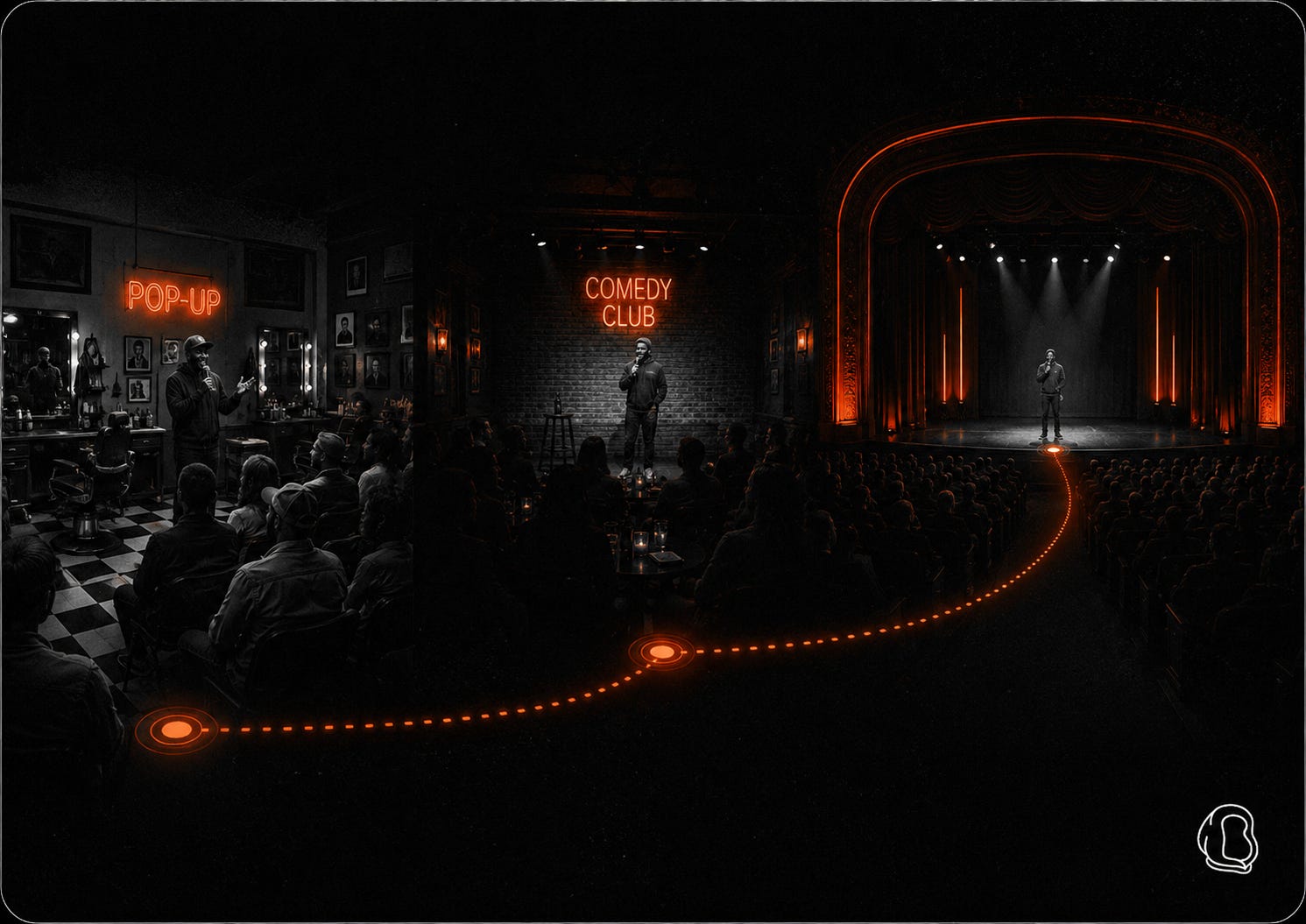
Add YouTube underneath the whole structure, and the modern comedy stack has three onramps feeding the same room. YouTube at the top of funnel. Pop-ups in the middle. Clubs and theatres at the bottom. The Netflix special sits off to one side as a credibility badge. Useful for booking the next gig. Useless for selling it.
The Bubblegum Question
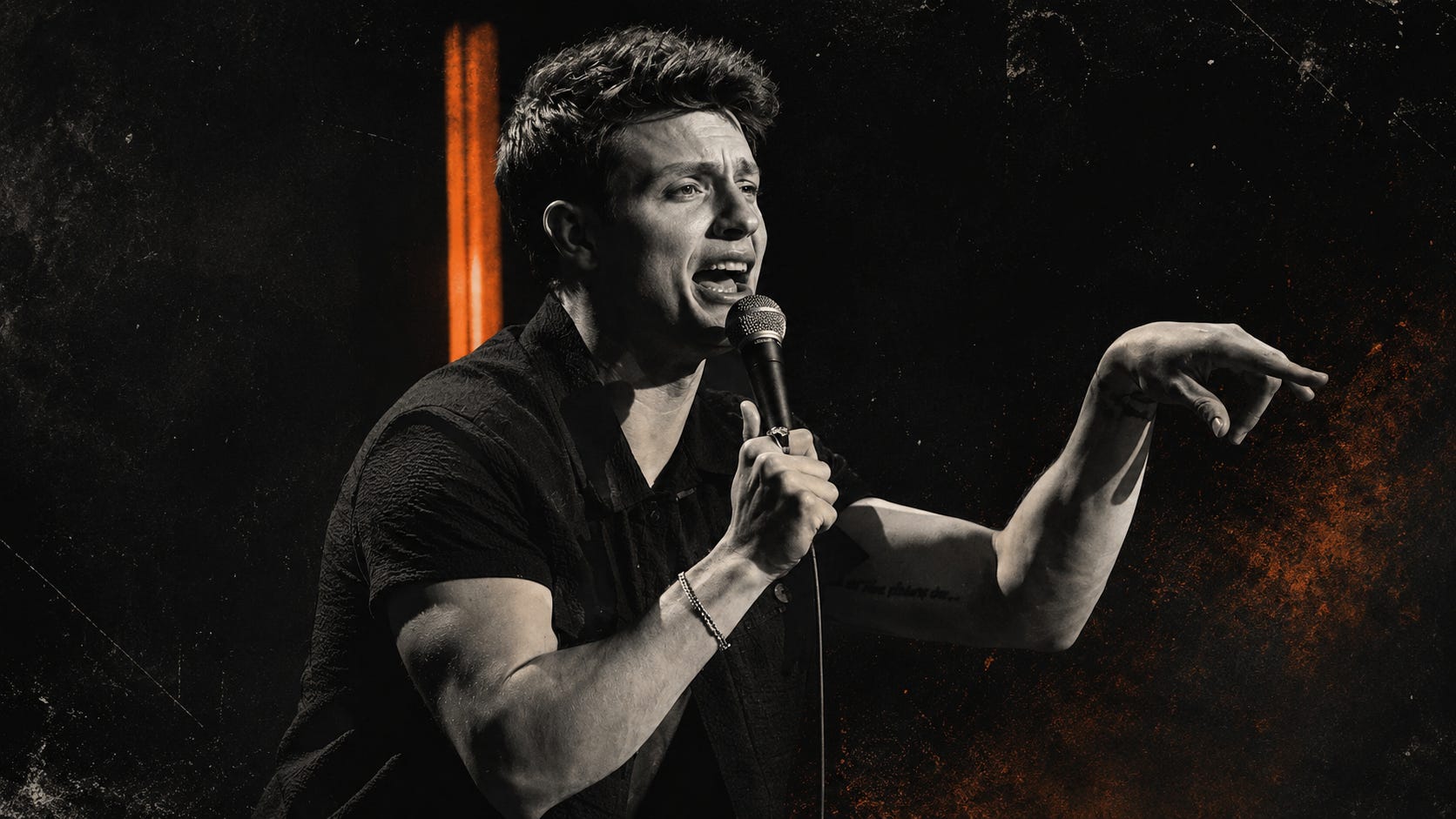
Matt Rife
Comedy is now living through its boy band moment with Matt Rife.
As Emilio puts it, “What he’s doing is almost like bubblegum….It’s like boy band stuff.”
Rife sold 600,000 tickets across 256 shows in 48 hours on his ProbleMATTic World Tour. One of the largest comedy tours of 2023 and 2024 by any measure Live Nation tracks. Per Emilio’s read, he went from earning $40,000 a year to $30 million off the back of TikTok crowd-work clips.
However Emilio stresses that every comic he knows respects what Rife has built.
What Emilio Is Building
Every set, every night, is recorded. Every comic gets their own digital file within 48 hours. The killer clips get approved, posted, and revenue-split with the performer. They are running a label deal structure on top of their door business.
In the future, this might just end up being a content business that happens to operate a stage.
If it works at scale, the New York Comedy Club YouTube channel could be the largest comedy property on the internet within five years.
The clubs become the content engine. The bookings become a development pipeline. The management and label roster becomes the IP layer.
The Black Hoody Podcast
I interview executives, managers, and agents in the comedy and music industry. If you have a guest you would like to suggest, please email me.
contact@theblackhoody.com or DM me on Instagram