Kevin Kusatsu managed Diplo for well over a decade. He never signed a contract with him. Not one page, ever.
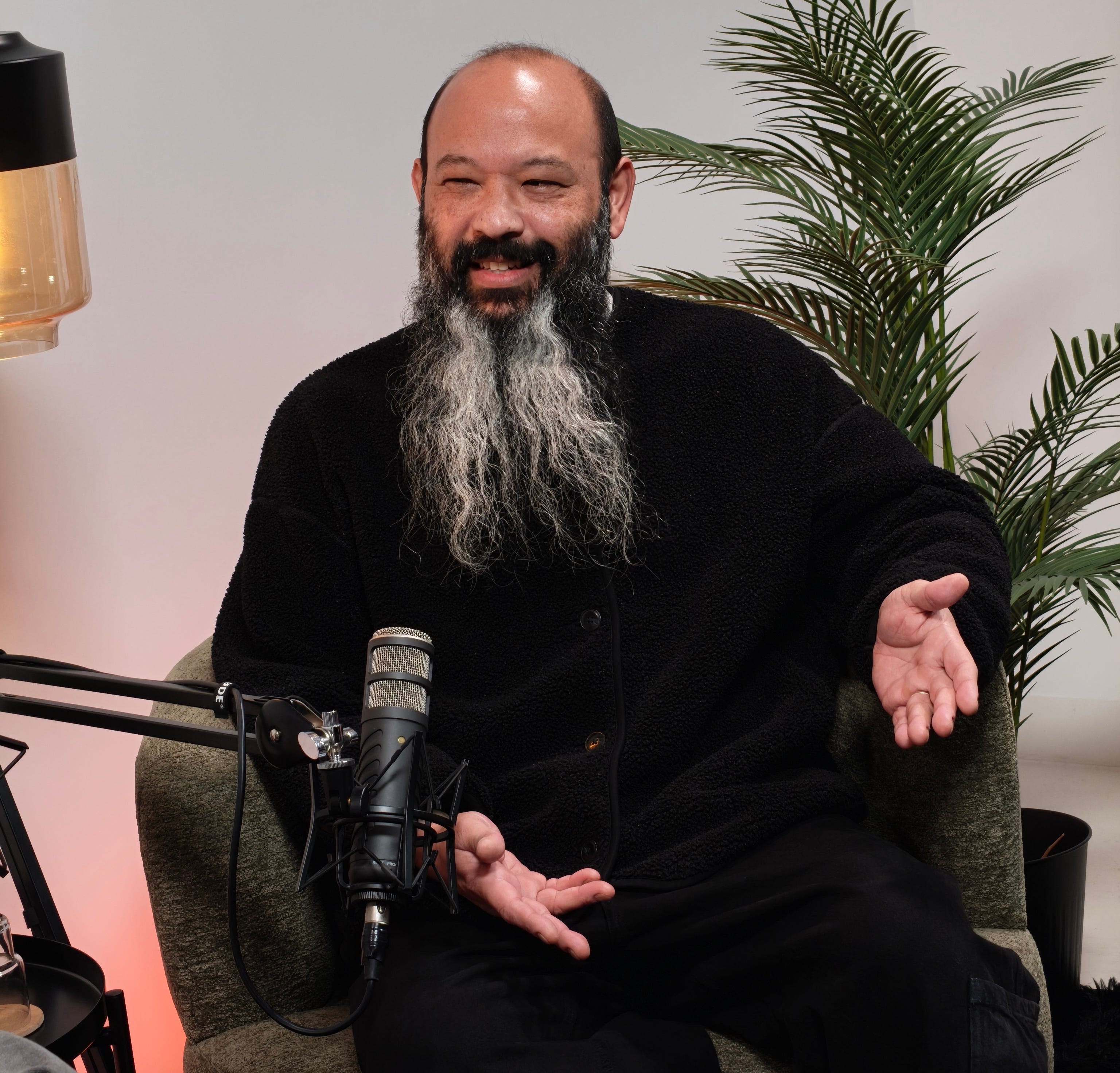
Kevin Kusatsu
In September 2006, Diplo opened a Wired magazine benefit at Irving Plaza, a 1,200-capacity club in Manhattan. Girl Talk and Peeping Tom sat above him on the bill. Nine years later, Lean On, the Major Lazer single Diplo released through his own project, overtook Ed Sheeran’s Thinking Out Loud as the most streamed song in Spotify history.
Kusatsu walked me through his playbook on this week’s episode.
The question that started it
In 2006, Kusatsu was working out of Ravenhouse Management, Juan Carrera’s firm behind Modest Mouse. He leaned back at his desk and wondered aloud who managed Diplo. Carrera searched his inbox. Diplo’s agent, Sam Hunt, had been polling the industry for anyone willing to take him on. Twenty years later, Hunt is still the agent on Major Lazer.
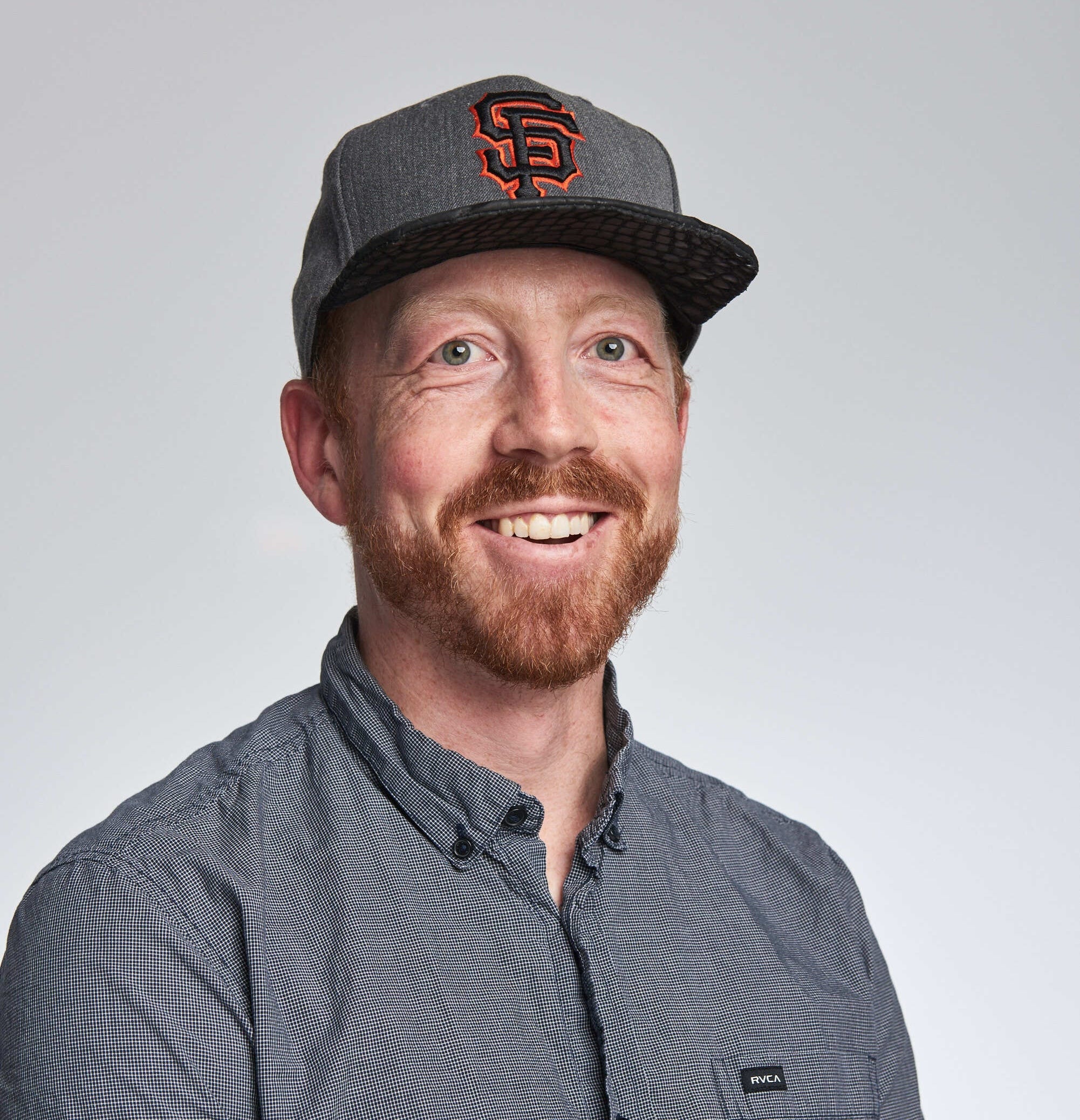
Sam Hunt, Agent
Kusatsu flew out, watched the Irving Plaza set, and met him at a Brooklyn deli the next morning. The pitch: I work free for six months. If it works, you pay me. No paper. Diplo said yes.
Kusatsu began work.
Can Diplo be Tony Hawk?
In 2006, Kusatsu noticed something he had not seen before while he watched Diplo perform before and after an M.I.A. set at the El Rey in Los Angeles.
By every convention of 2006, there was nothing to watch at this Diplo set. No mic. No MC. Just a guy playing other people’s records.
However, the room stuck around to watch Diplo even after M.I.A.’s headline set. A crowd of punk kids and record collectors, people who only turn up for bands, were captivated by a DJ.
So he asked the question. What was Diplo’s ceiling? He believed Diplo could transcend the format and hold a space “no one is occupying”, as he puts it on the episode.
The precedent lived in skateboarding. A few years after the hit PlayStation game Pro Skater, Tony Hawk’s name meant more than his sport. A video game had carried a skater into living rooms that had never seen a halfpipe.
That was the bet. A DJ could become the same kind of cultural fixture. The ground was empty. Diplo could stand on it.
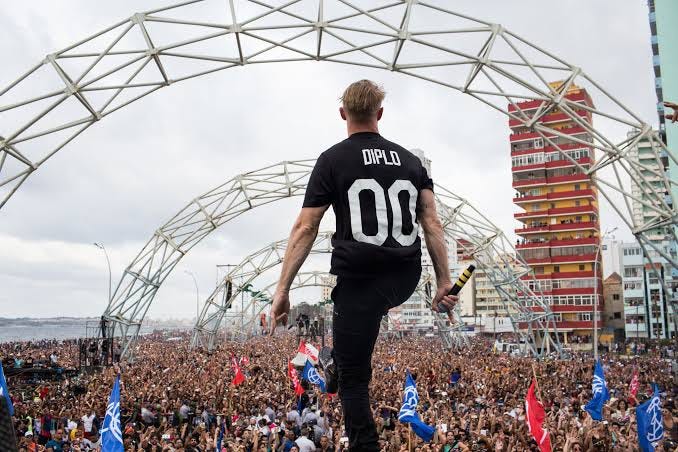
In March 2016, Major Lazer played a free show in Havana to an estimated 450,000 people, the first major US pop act in Cuba after the diplomatic thaw. A DJ set became a foreign policy story.
The five pillars
Diplo was built on five key pillars:
1. Diplo had his own label, and partnered with others
His output was singles, released constantly, with no album cycle to sell. The industry’s standard offer in 2006 was multi-album paper, built for a cadence he did not have. So Kusatsu kept him unsigned and housed the releases at Mad Decent, the label Diplo founded that year.
Diplo later told Billboard he has always worked in “a format that’s been singles-based”. The rule: match the paper to the release cadence. An artist who ships monthly should never sign a structure built around shipping biennially.
The market caught up a decade later. Streaming turned the single into the industry’s default unit, and the independent route he took became the template. Diplo’s own words on what peers saw in Lean On, an independent release that went to number one internationally: everyone treated it as “the cheat code”.
2. He bought his rights back
Major Lazer’s debut came out through Josh Deutsch’s Downtown Records and stalled at 169 on the Billboard 200. Kusatsu wanted the rights back. By his own telling, he calculated the earnings plus the advance owed on the second album, drew a cashier’s cheque from his personal account, and walked it into Downtown’s office. Downtown took the deal.
The rule: if a partner can’t grow the asset, buy it back at fair value.
3. The right long-term partner
Kusatsu then licensed Major Lazer long-term to Emmanuel de Buretel’s Because Music. His recollection of the price: no more than US$50,000, mostly to fund videos. They shook on it in Paris. Free the Universe reached 34 in the US. The next album carried Lean On, which Because Music broke out of Holland and France until it finished 2015 at number five on the IFPI global singles list with 13.1 million units.

Emmanuel de Buretel, founder of Because Music
Run the counterfactual on that deal. A major would have written a bigger cheque, but kept the masters. Because Music wrote a small cheque for a licence with an expiry date. When Lean On detonated, the asset still belonged to the artist.
The credit line on Free the Universe reads Major Lazer LLC, under exclusive licence to Because Music.
Advances are rent. Rights are equity.
4. He hired a brand machine
World-building at Diplo’s scale is not a solo act.
Kusatsu hired mtheory. JT Myers and Nat Pastor, two former Warner strategy executives, founded mtheory in 2010 as a marketing and operations partner for artist managers. Kusatsu was one of their earliest clients.
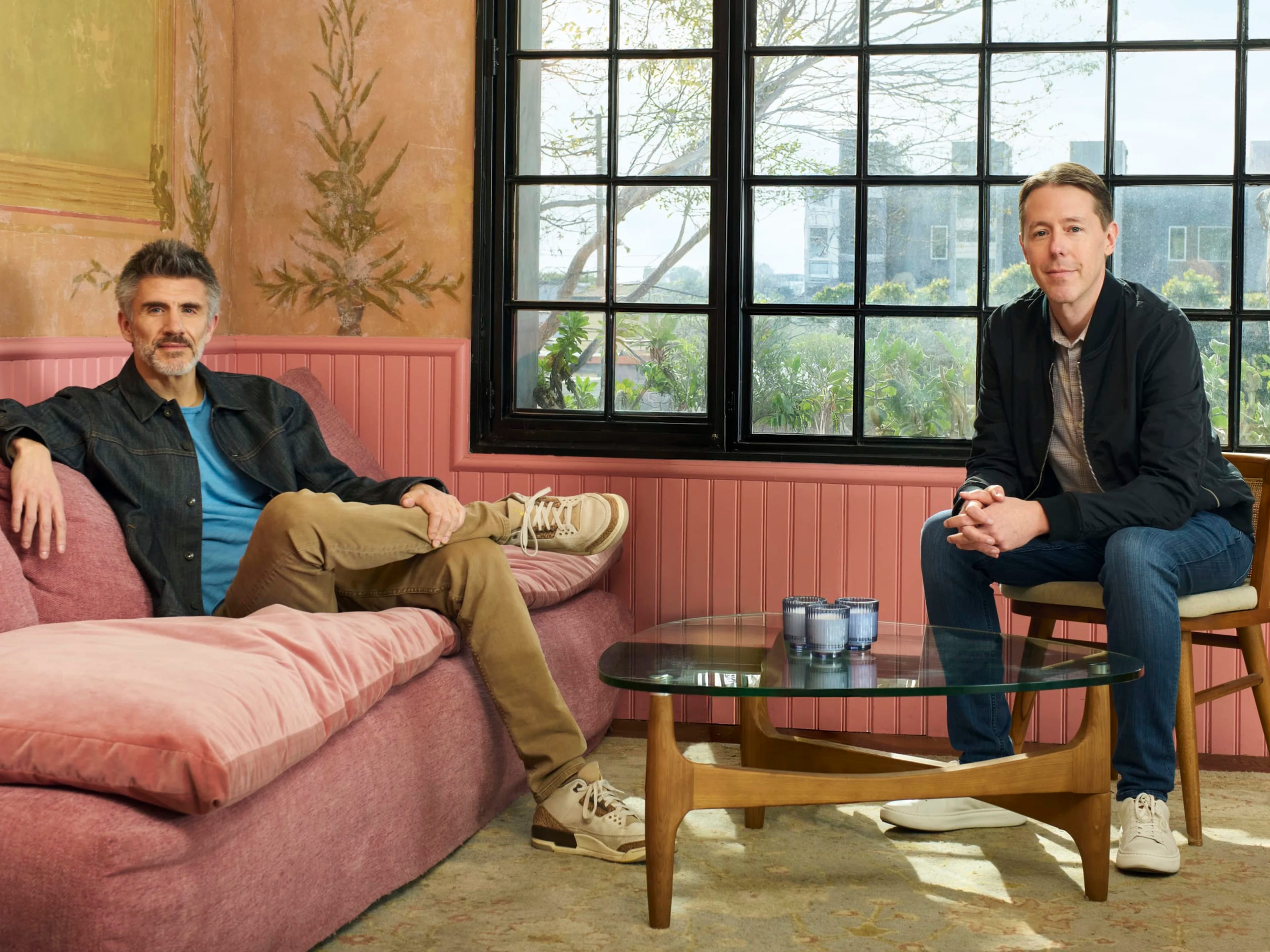
JT Myers and Nat Pastor
When Lean On shipped, mtheory ran the self-release in North America. It became the first independent release to top Spotify’s global chart. Universal’s own press release later cited it as the first fully independent track to reach number one on US Top 40 radio, and the first certified Diamond by the RIAA.
De Buretel from Because Music credits Major Lazer’s run to two parties: Kusatsu and mtheory. The label boss who signed the deal points at the manager and the marketing arm.
In September 2022, Universal acquired mtheory’s label division and installed Myers and Pastor as co-CEOs of its new Virgin Music Group, reporting straight to Lucian Grainge.
Independence won so hard the majors bought the operators.
5. Separate teams for separate projects
Kusatsu never did dual deals. No partner ever held Diplo and Major Lazer at once. Separate entities, separate partners. Nobody owns the ecosystem, so when one relationship breaks, the rest keep compounding.
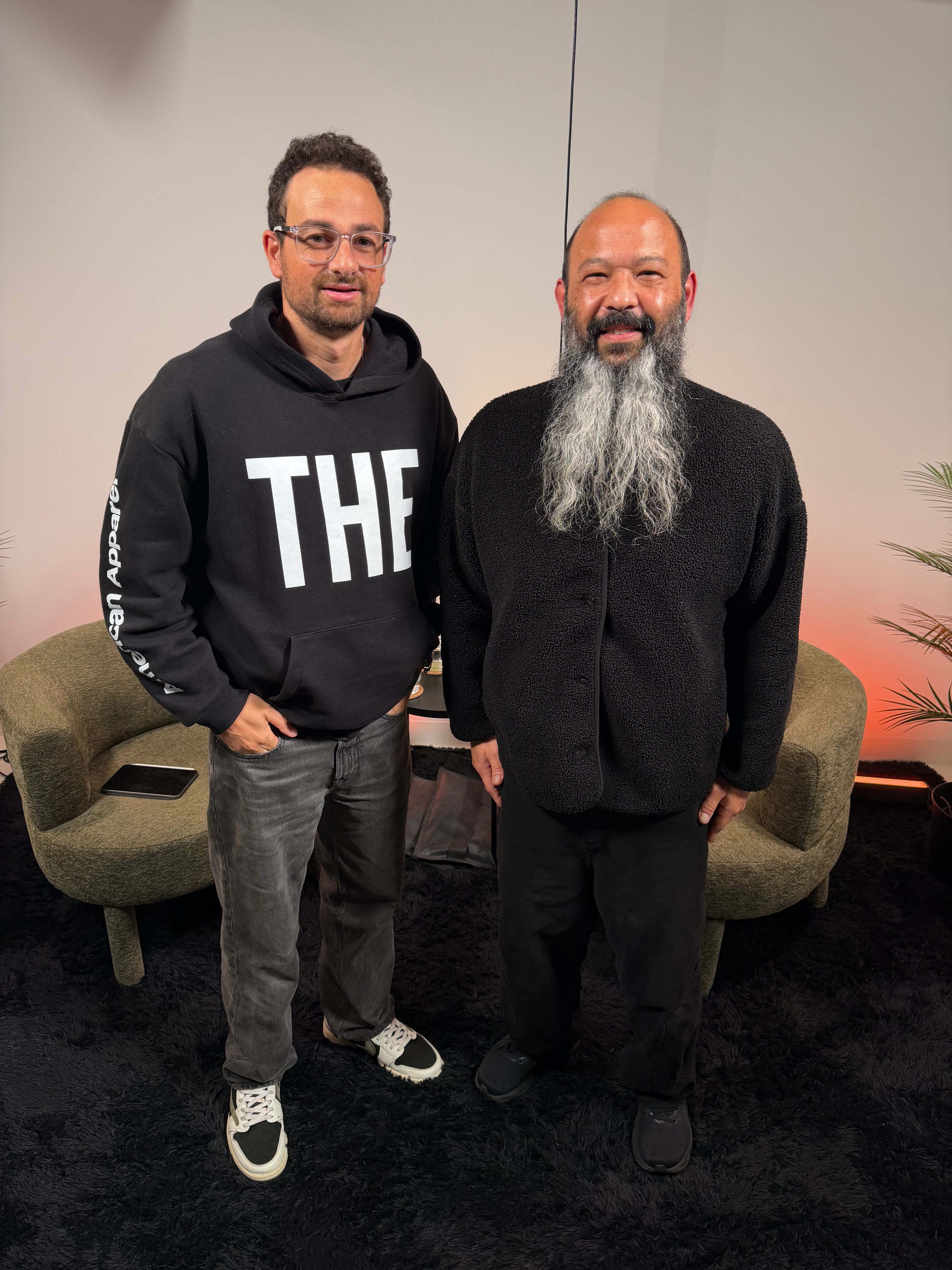
I hope you enjoy this episode. Thank you to Kevin for being so transparent.