

The Playbook for Breaking Artists Rewritten Five Times in 15 Years
Five managers. Five eras. One question that gets a completely different answer every three years.

Five managers. Five eras. One question that gets a completely different answer every three years.
Between 2010 and 2024, the rulebook for breaking an artist globally was torn up and rewritten at least five times.
The managers who figured out each new playbook first made their artists into global superstars. The ones who clung to the old model watched their artists stall.
I asked some of the most successful artist managers in the world a simple set of questions: What year did your artist break globally? What drove it? And what did you do in the years before that moment to set it up?
Their answers, read chronologically, tell the story.

Before 2010: The Music Industry Cartel
To understand how dramatically things changed, you need to understand the world these managers inherited.
Before 2010, breaking an artist internationally meant convincing a chain of powerful gatekeepers to give your artist a shot. You needed a major label deal in each territory. You needed radio programmers to add your song. You needed MTV or Channel V to playlist your video. You needed a music supervisor to place your track in a film or TV show.
You needed an anointed middleman to grant you passage, extracting a toll at every turn.
In America, you would start at one radio format, say college radio, and if the song performed, you would “cross it over” to alternative stations, then rock stations, and if everything aligned, maybe six to nine months later you would get a shot at pop radio. In Los Angeles terms, you might start on KCRW, spread to KROQ and KLOS, with the hope of eventually landing on KISS FM.
Each format was controlled by independent promotion people and station gatekeepers, essentially a form of arguably legal payola.
It was a mafia-esque protection racket dressed up as ‘ promotion’.
The bigger the station, the more expensive those payments would be. Labels were effectively test marketing songs at cheaper formats, then stepping them up to more expensive ones only when the data proved the song was generating sales.
Management’s job was to follow behind the radio airplay with everything they could muster.
Fly the artist into each market, do advance phone interviews with the local station, schedule an instore appearance at the local retailer, try to get press in the local newspaper, put gig posters on the streets. You were pulling out all the stops to convert local airplay into local sales. Then you would spend weeks shining a spotlight on each of these “case studies” to give programmers in other markets the confidence to climb onboard.
When managers talked about “breaking America,” they literally meant breaking the northwest, then the northeast, then California. City by city, station by station.
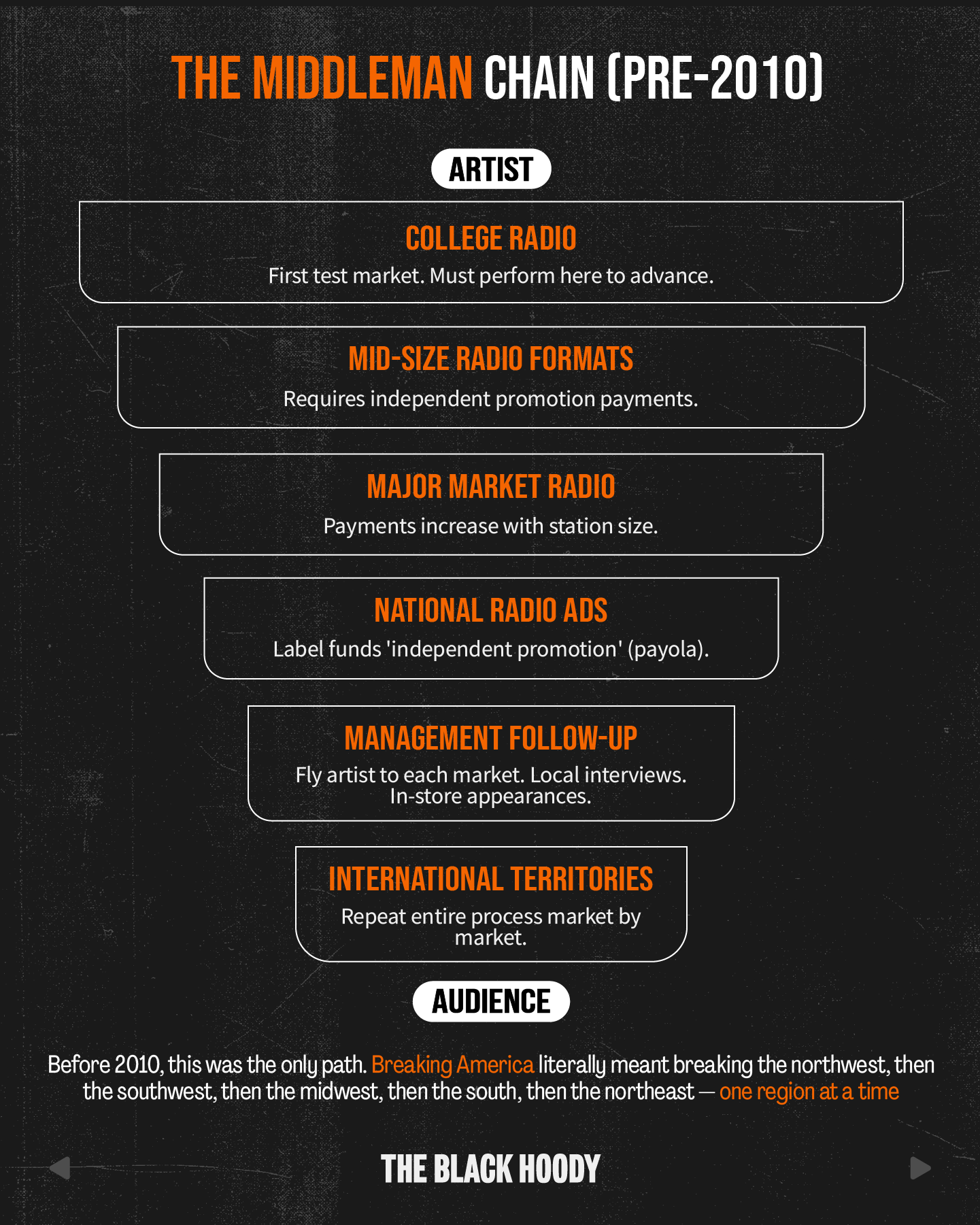
This was the same model that had existed since the 1980s and 1990s. Get the single on radio at one format. Once it proved to be a hit, the label would invest more to cross it over. Get the artist covered in local press, then national press. Land syncs. All while the artist criss-crossed the country putting a face to the song. And the whole time, you were crossing your fingers hoping the public cared, because if the sales data showed they did not, the label would yank your promotional budget and that was that.
Sometimes things had a genuine viral groundswell. Silverchair’s “Tomorrow” was one of those. But even then, it would still take many months for a song to reach the level of awareness that artists after 2010 could achieve within a week or two.
Era 1: The Temper Trap (2010)
Manager: Danny Rogers
Artist: The Temper Trap
Breakout year: 2010
Key stat: “Sweet Disposition” achieved platinum certification in both the US and the UK.
![Meet The Team: Laneway Festival / Lunatic Entertainment - [PIAS]](https://substackcdn.com/image/fetch/$s_!II04!,f_auto,q_auto:good,fl_progressive:steep/https%3A%2F%2Fsubstack-post-media.s3.amazonaws.com%2Fpublic%2Fimages%2Fb1ebbf0f-354a-4f65-8374-a0d1d24cbaca_1024x683.jpeg "Meet The Team: Laneway Festival / Lunatic Entertainment - [PIAS]")
Danny Rogers, manager of The Temper Trap
2010 was the tail end of the gatekeeper era, and Danny Rogers knew the rules. To break The Temper Trap globally, he and the band relocated to London.
“We made a very intentional decision to relocate the band, and myself, to London, with full support from the label,” Rogers told The Black Hoody. “At that time, it was extremely rare for an Australian act to break internationally from home, so we knew we had to live inside the ecosystem rather than operate from afar.”
Being based in London meant they could say yes to everything: last minute radio sessions, TV appearances, support slots, industry showcases, and the unpredictable opportunities that can make or break a developing act.
Rogers’ answer to what single channel drove the breakout is telling: “If you had to isolate a single driver, radio was the most powerful catalyst. Radio airplay in three critical markets, America, the UK, and Australia, created a simultaneous international presence that very few Australian acts had at the time.”
Radio. Physical relocation. Label support. Being present in the ecosystem. This was the old playbook executed at its peak. “Sweet Disposition” ignited across alternative radio, became a staple on BBC Radio 1, received blanket support across Australian radio, and was amplified further by high profile sync placements including the film 500 Days of Summer and remixes from the likes of Swedish House Mafia.
But notice what Rogers also said: “The band became part of a creative community that included emerging artists like Florence + The Machine and Mumford & Sons.” The value went beyond access to industry gatekeepers. Rogers and The Temper Trap were embedded in a creative community that pushed everyone to operate at a higher level.
Rogers still believes physical presence offshore matters. “I still believe that being physically present offshore, particularly early in an artist’s global career, can be transformative for momentum, relationship building, and narrative,” he said.
He is probably right. But within 24 months, the geography moat would evaporate. You could conquer the global charts from your childhood bedroom.
Era 2: Gotye (2011/2012)
Artist: Gotye
Co-managers: John Watson and Danny Rogers
Breakout year: 2011 (Australia), 2012 (global)
Key stats: “Somebody That I Used to Know” spent 8 consecutive weeks at number 1 on the Billboard Hot 100. It sold 6.8 million digital copies in 2012 alone, making it the best selling song of the year in the US. The music video has surpassed 2 billion views on YouTube. The track has exceeded 2.3 billion streams on Spotify. It won Record of the Year and Best Pop Duo/Group Performance at the 2013 Grammy Awards.

John Watson, manager of Gotye
Gotye’s “Somebody That I Used to Know” was maybe the first (if not the biggest) global hit built on the new model: artist communicates directly with audiences, and the industry scrambles to catch up.
The Natasha Pincus directed music video was the spark. It was simple, weird, eye grabbing, exactly the kind of thing people emailed to friends in 2011 and 2012. Because it was available globally on YouTube, discovery happened everywhere at once.
A few years prior, some label promo person would have needed to submit it for playlisting consideration at Channel V in Southeast Asia, VIVA in Germany and MTV in the US before audiences in those places could have seen it.
Australian radio station triple j had been early supporters of the track, and their airplay caused other tastemakers overseas to start exposing it. KCRW in Los Angeles and 3FM in Holland both watched the triple j playlists for possible new songs. Each of those adds was like a rock thrown in a pond, spreading more ripples.
As audiences discovered the video online they shared it via Twitter and Facebook, but particularly via YouTube where the algorithm picked up the high engagement and served it up more broadly.
The snowball went to a new level when Ashton Kutcher and Katy Perry tweeted about it. At that time, Kutcher had the biggest Twitter account in the world, and he amplified the song just weeks after the release.


This next part is the bit that rewrote the rules.
Up until this point in music history, artists and labels typically avoided selling music in a country until a local label deal was in place. Import sales were seen as “a waste” because they could not be correlated against local radio play. Every label advised against releasing the song in new markets until deals were sorted.
But Wally De Backer saw the world differently.
His view was that in 2011, holding back the song from international fans would simply force them to download it illegally. Limewire, Pirate Bay and Kazaa were still near their peak. So he set up his own indie release globally via iTunes.
Each week, you could see the sales growing everywhere around the world as people discovered the song on YouTube and via social media, then went to iTunes and bought it.
He also made the original stems available online for anyone to create their own remixes. This was a philosophical commitment to open creativity, but it also amplified the viral exposure, leading to thousands of bootleg dance mixes that exposed the track in places the original would never have been played.
The exponential adoption curves attracted label investment, and during the second half of 2011, labels around the world rushed to license the song and album. The fact that it was already selling on iTunes gave Wally extra leverage and allowed him to push back against creative interference.
Commercial radio had largely avoided the song until it went to number 1 on iTunes and then number 1 on ARIA. Every A&R person urged Wally to edit the song for their local market because “our radio stations are very different and will never play this.” Every single one of them was proved wrong.
Radio no longer made hits. They just played them.
The song’s clear audience appeal, shown by YouTube plays, iTunes downloads and piracy data, forced radio’s hand in ways that would have been unthinkable before 2010. Gotye’s SNL appearance and Coachella performance in April 2012 pushed it to number 1 on the Billboard Hot 100, where it stayed for eight consecutive weeks. Billboard named it the number 1 single of 2012.
Gotye blazed a trail that every artist after him would follow: go directly to audiences, build undeniable proof of demand, and let the industry come to you.
Era 3: Vance Joy (2014)
Manager: Jaddan Comerford (Unified Music Group)
Artist: Vance Joy
Breakout year: 2014
Key stats: “Riptide” has surpassed 3.3 billion streams on Spotify. It holds Diamond certification (10 million units) in the US via the RIAA, is 16 times platinum in Australia, and spent a record 120 consecutive weeks in the ARIA chart. It topped Triple j’s Hottest 100 in 2013 and reached number 1 on Billboard’s Alternative Songs chart.
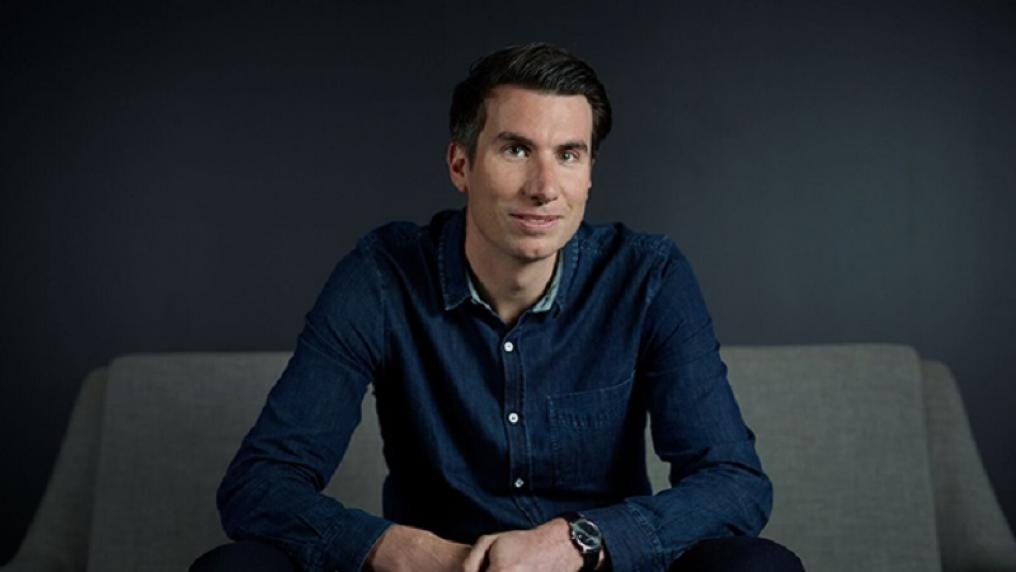
Jaddan Comerford, manager of Vance Joy
By 2014, the old gatekeeper model and the new direct to audience model had merged into something more complex. Jaddan Comerford’s strategy for Vance Joy shows both worlds working together.
“The rapid, organic spread of ‘Riptide’ across streaming platforms, radio and sync opportunities was the key tipping point,” Comerford told The Black Hoody. “Its inclusion in major playlists, film and television placements, and heavy rotation on US alternative radio significantly amplified its reach. At the same time, widespread sharing on platforms like Vine and YouTube helped drive the song into the mainstream global conversation.”
Notice that Comerford mentions streaming, radio, sync and social sharing in the same answer. By 2014, you needed all of them.
But the setup was deliberate and patient. “The breakout was the result of a deliberate, long term strategy built over several years,” Comerford said. “Early EPs established a strong grassroots fanbase in Australia and online. Extensive touring helped grow a loyal audience, while early sync placements, particularly in the US, expanded his reach. Strong support from triple j further amplified national exposure and credibility.”
Comerford described a “phased release strategy that allowed momentum to build organically rather than rushing an album.” There was an early focus on key global markets, specifically the US and UK, with carefully chosen touring and support slots.
This is the hybrid era. Triple j still mattered. Touring still mattered. But the new platforms were now doing what radio crossover used to do: carrying songs across borders and demographics without anyone needing to call a radio programmer or book a promo person.
Taylor Swift covering “Riptide” on BBC Radio 1’s Live Lounge. Placements in Grey’s Anatomy, The Inbetweeners 2, Hawaii Five-0. The song appeared everywhere because the ecosystem now rewarded songs that audiences had already validated organically.
The most striking thing about Vance Joy’s trajectory is what happened after the initial wave.
“Riptide” has never stopped streaming. It was named the most streamed Australian song of 2023, a full decade after its release, and a Vance Joy representative told media there was no single TikTok video or pop culture moment responsible. The song just kept finding new listeners through algorithmic discovery. Year after year.
That phenomenon, a song with genuine emotional connection finding audience after audience through algorithms rather than gatekeepers, would become the dominant force in the next era.
Era 4: Tones and I (2019/2020)
Manager: Regan Lethbridge (Co-founder and Director, Lemon Tree Music, who signed her before any music was released, alongside business partner David Morgan)
Artist: Tones and I
Breakout year: 2019 going into 2020
Key stats: “Dance Monkey” has surpassed 3 billion streams on Spotify, making it the most streamed song by a female artist on the platform. It is the most Shazamed song of all time with over 44 million identifications. It topped official singles charts in over 38 countries. It spent a record 24 non consecutive weeks at number 1 on the ARIA Singles Chart and 11 weeks atop the UK Singles Chart, a record for a female solo artist.
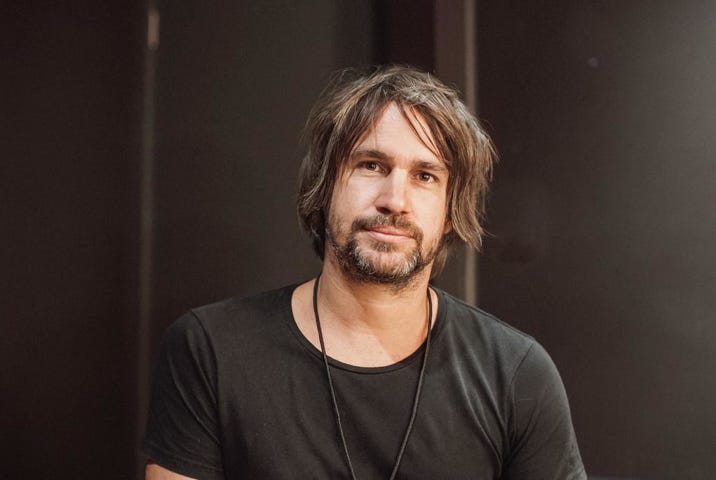
Regan Lethbridge, co-manager of Tones and I
By 2019, radio was a rounding error. The new apex predator was Spotify. The playbook had shifted again.
Regan Lethbridge barely mentions radio in his account of breaking Tones and I. The engine was Spotify.
“It’s hard to pin it down to one thing but I would have to say Spotify,” Lethbridge told The Black Hoody. “It started to pop out of the Nordics and it grew from there through Benelux and eventually around the world.”
Think about that trajectory for a second. An Australian busker from Byron Bay breaks globally because an algorithm in Scandinavia started serving her song to listeners. No radio programmer in Stockholm made that call. No A&R rep in London championed it. The platform’s own discovery mechanics identified the song’s appeal and pushed it outward, from the Nordics through Benelux and then worldwide.
Lethbridge was quick to credit the artist. “It doesn’t hurt when you have an artist with a work ethic like Tones. It’s truly unmatched in how she goes about her work.”
But his strategic philosophy is what separates this era from everything before it: “Everything we do is to keep things independent for as long as possible, position globally from day one, get partners emotionally invested early on the journey and keep them engaged, build a tight team around the world with similar ethos and drive, and keep our heads down and work as hard as possible.”
Position globally from day one. That sentence would have made no sense to a manager in 2005. Back then, you broke your home territory first, then maybe got a shot at one international territory if a label liked you enough. By 2019, Lemon Tree Music was thinking globally before a single song was released.
There was still a triple j element. The early buzz there, combined with breaking the attendance record at Splendour in the Grass’s amphitheatre and busking videos doing the rounds, created the initial velocity. But the global breakout was platform driven.
Lethbridge’s closing observation stayed with me: “No one can sit and claim the success of a song or an artist. Our job is to set things up and stand in the shadows. When songs take on a life of their own, it’s because they are connecting on an emotional level and have the element of something you can’t explain.”
In the gatekeeper era, you could explain a hit. Someone championed it at the label, someone added it to radio, it landed a sync.
In the platform era, a hit runs on emotional connection between artist and audience that no algorithm can predict in advance, only amplify after the fact.
Era 5: Connor Price (2023/2024)
Manager: Breanna Price
Artist: Connor Price
Breakout year: End of 2023 into early 2024
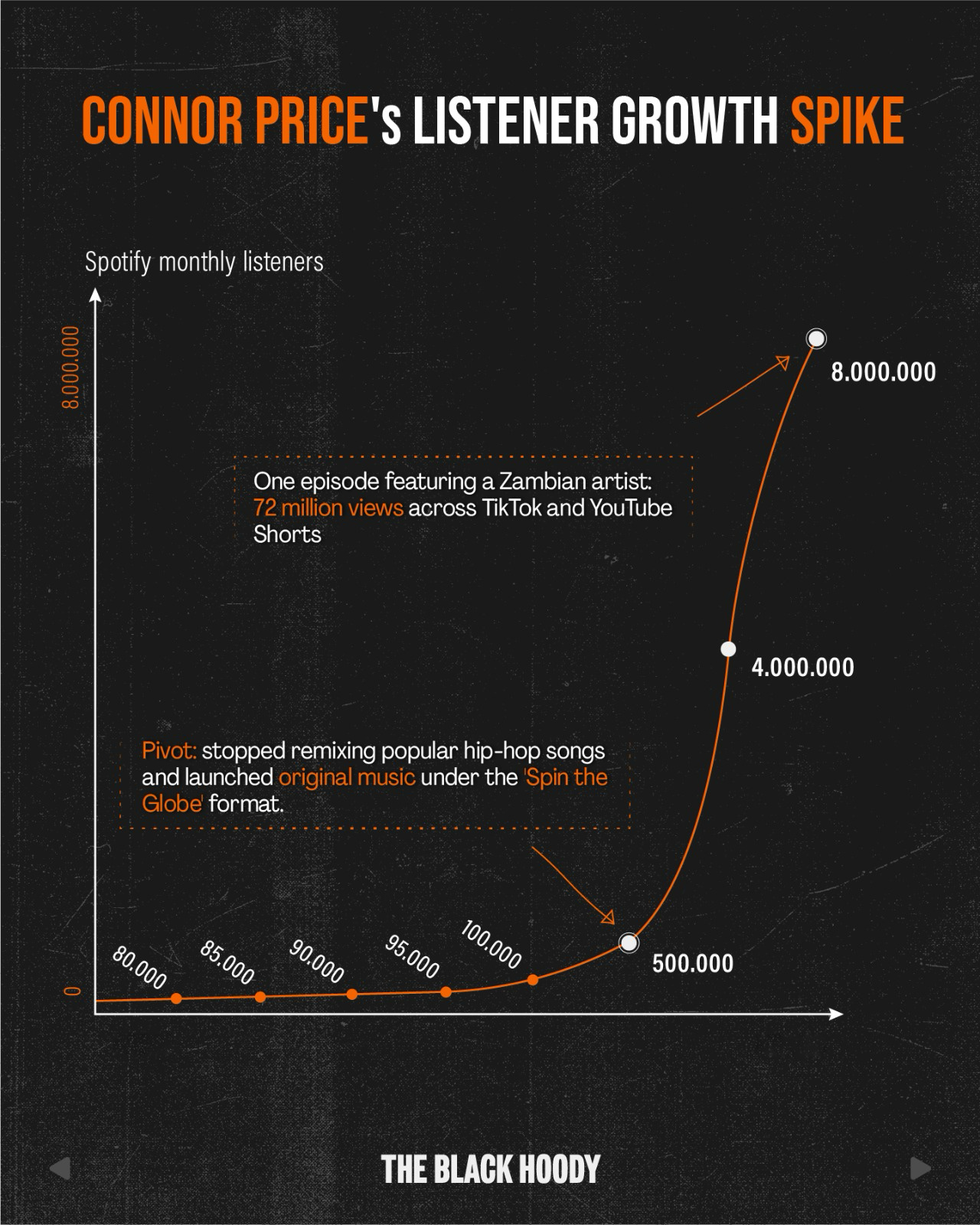
Key stats: Connor went from under 100,000 to nearly 8 million monthly Spotify listeners in roughly a year. The “Spin the Globe” series amassed over 300 million views across platforms. Both “Spin the Globe” EPs charted in Spotify’s top 10 on their debut weekends. As of April 2025, the first Spin the Globe EP alone has surpassed 480 million Spotify streams. Connor now averages approximately 60 million Spotify streams per month and earns up to US$240,000 monthly in royalties, entirely independently.

Breanna Price, manager of Connor Price
Connor Price represents something that would have been incomprehensible to every manager in the previous four eras: the content format itself is the distribution strategy.
The “Spin the Globe” concept is simple. Connor spins a globe, his finger lands on a country, and he collaborates with an artist from that country. The format simultaneously serves as entertainment, music discovery, and international expansion. All in one video.
“Creating his ‘Spin the Globe’ series on TikTok, Instagram, and YouTube Shorts was definitely the driving force behind the global breakout,” Breanna Price told The Black Hoody. “It was a viral short form series that amassed over 300 million views across platforms, and led to both ‘Spin the Globe’ EPs charting on Spotify’s top 10 their debut weekends.”
It was not an overnight success. “We initially gained views by remixing popular hip hop songs that were already in the algorithm, having Connor go bar for bar with the original artist,” Price explained. “This was unique because most remixes or covers inserted a verse. Connor, however, went back and forth with the artist, showing that he could keep up with anyone.”
Then came the pivot. “Just before he would be established as a ‘remix guy,’ we took the attention he had and pivoted to marketing his original songs in a similar format.”
Once the original music started gaining traction, they created the “Spin the Globe” concept. “He was quite literally getting into algorithms around the world by collaborating with international artists,” Price said. “Global collabs are by no means a new thing. However, having the global collab be the entire hook of a viral video series was, and I think that’s why the world reacted so strongly to it.”
Price also noted Connor’s background as an actor: “Connor also took his skills of acting from a 20 plus year long acting career and used that talent to film and edit skits that ultimately would lead to promoting an original song at the end of the video.”
No radio. No label. No relocation. No playlist pitching. No sync placements. The content is the marketing, the format is the international strategy, and the entertainment is the distribution.
One episode featuring a Zambian artist reportedly garnered 72 million views on TikTok and YouTube Shorts. That Zambian artist went from 189 monthly Spotify listeners to over a million. Connor Price changed someone’s life with a content format.
The Next Era: The AI World
Every era in this article removed a layer of infrastructure between the artist and the audience. Radio, then labels, then geography, then the entire traditional marketing apparatus.
AI will remove every other layer imaginable.
I wrote about this in October 2025 when I published The Most Dangerous Music Company Ever, a piece about Suno AI.
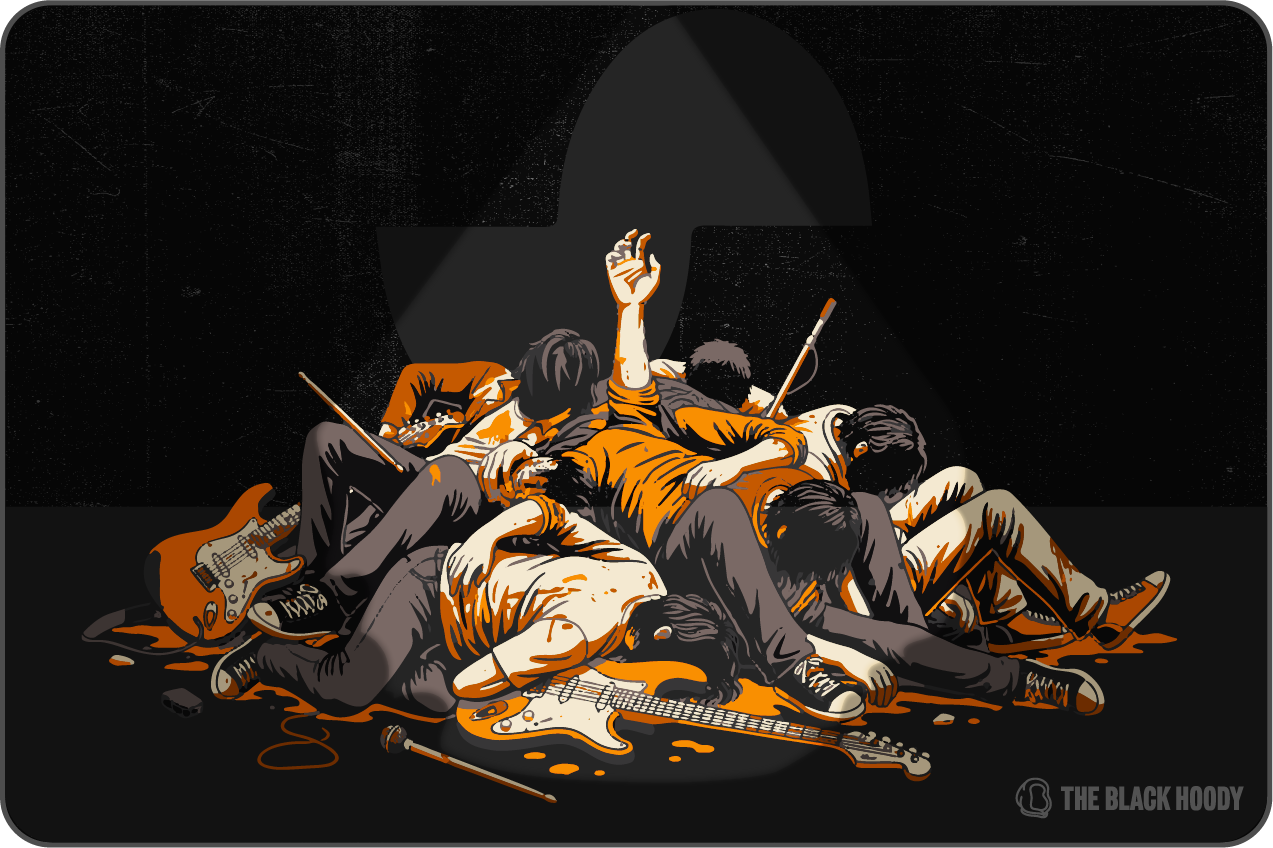
In 2010, the question was: how do I get gatekeepers to expose my artist?
In 2024, it was: how do I create content formats that are the exposure?
In 2030, it will be: how do I prove my artist is worth caring about when anyone with a laptop can generate a song that sounds just as good?
The answer is probably hiding in the data from this article. Look at what survived across every single era. It was never the distribution channel. Radio died as a hitmaker. iTunes died as a store. Vine died as a platform. What survived was the emotional connection between a real human artist and an audience who believed in them.
Live performance will survive AI. I am confident about that. The best chess player in the world cannot beat a computer, but chess tournaments still sell out and attract millions of viewers online. Humans want to watch humans do remarkable things, even when machines can do it better. The live music industry will grow, not shrink, as recorded music gets commodified by AI.
But the recorded music business as we have known it? That is in serious trouble.
The managers who break artists in the AI era will need to build something AI cannot replicate: identity, community, narrative, and a reason for audiences to care about a specific human being making music.
Connor Price is already closer to this model than anyone else in this article. His content format, his personality, his on-camera presence, his relationships with international collaborators, none of that can be generated by a prompt. The music isn’t the product; it’s just the top of the funnel.
The successful artist in ten years will look less like a traditional recording artist and more like a creative director. Their music will be the connective tissue for fan communities, content arcs across platforms, live experiences, and virtual worlds. Record labels will serve as investors in those worlds, like gaming studios funding their flagship titles.
If that sounds extreme, consider what has already happened in the fifteen years covered by this article. Danny Rogers moved his entire life to London to get his artist on BBC Radio 1. Fifteen years later, Connor Price changed a Zambian artist’s life from his bedroom with a TikTok video. The pace of change has only accelerated, and AI will accelerate it further.
Every manager reading this should be asking one question: if the cost of creating music drops to zero, what is my artist selling that a prompt cannot?
Of the five managers I spoke to, every single one credited the artist’s talent, work ethic and emotional connection with audiences as the foundation for everything else. The tools change every few years. Audiences responding to artists who make them feel something real has never changed and probably never will.
The playbook will be rewritten again. The managers who survive will be the ones paying close enough attention to recognise the next shift while it is still forming.

This is a reasonably good summary of why it's nerve-wracking to be a musician today on any level, even if you're only chasing modest levels of notice.
http://www.myhypekit.com is the solution